Insightful Knowledge and Clinical Perspectives Women’s cancers present unique biological, hormonal, and psychosocial considerations that distinguish them from other cancer types and require specialized expertise for optimal management. Understanding these distinctive characteristics is essential for providing comprehensive, effective care that addresses the complete spectrum of women’s cancer experiences.
Hormonal Influences and Cancer Biology: Women’s cancers are profoundly influenced by hormonal factors throughout the lifecycle, from menarche through menopause and beyond. Estrogen and progesterone exposure patterns affect breast cancer risk, while hormonal contraception and hormone replacement therapy influence risk profiles for various cancers. Understanding these complex hormonal interactions is crucial for risk assessment, prevention strategies, and treatment selection.
Genetic Predisposition and Hereditary Syndromes: Women face unique genetic cancer risks, including BRCA1/BRCA2 mutations that significantly increase breast and ovarian cancer risks, Lynch syndrome affecting endometrial and colorectal cancers, and other hereditary cancer syndromes. These genetic predispositions require specialized counseling, surveillance protocols, and risk-reduction strategies tailored to women’s reproductive and lifestyle goals.
Fertility and Reproductive Health Considerations: Cancer treatment can significantly impact women’s fertility through effects on ovarian function, uterine health, and hormonal balance. Chemotherapy, radiation therapy, and surgical treatments may cause temporary or permanent infertility, requiring careful consideration of fertility preservation options and reproductive planning as integral components of cancer care.
Pregnancy-Associated Cancers: Cancer diagnosis during pregnancy presents unique challenges requiring careful balance between maternal treatment needs and fetal safety. Specialized expertise is required for managing cancers that occur during pregnancy, including appropriate diagnostic approaches, treatment modifications, and delivery planning that optimize outcomes for both mother and child.
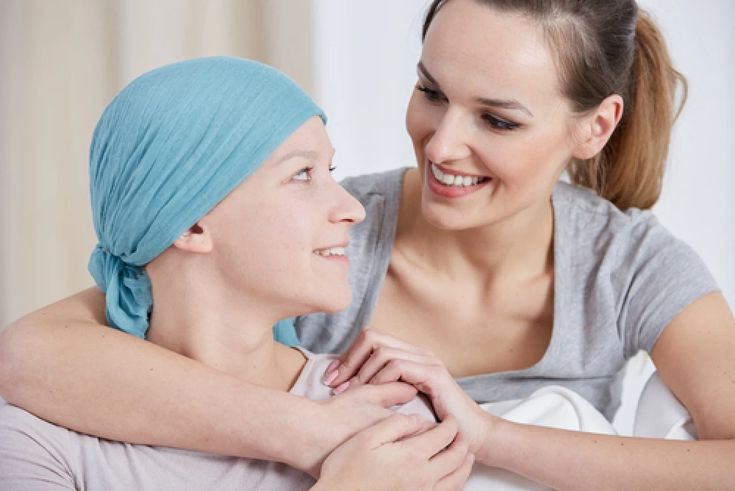
Body Image and Quality of Life: Women’s cancers often affect areas of the body closely associated with femininity, sexuality, and body image, including breasts, reproductive organs, and hair. Treatment-related changes can profoundly impact self-esteem, intimate relationships, and quality of life, requiring specialized support and reconstructive options.
Psychosocial and Family Considerations: Women often serve as primary caregivers for family members while managing their own cancer treatment, creating unique challenges in balancing personal health needs with family responsibilities. The impact of hereditary cancer syndromes on family members, particularly daughters, requires specialized genetic counseling and family support services.
How Neovita Triumphs in Women’s Cancer Care Neovita Oncology has established itself as a leader in women’s cancer care through our comprehensive approach that combines subspecialized medical expertise, advanced treatment technologies, and deep understanding of the unique challenges that women face throughout their cancer journeys.