Cancer treatment for women

At Neovita Oncology, our Cancer Center for Women represents a specialized sanctuary of hope and healing, dedicated exclusively to addressing the unique challenges, complexities, and needs of women facing cancer diagnoses. Our comprehensive women’s cancer program recognizes that women’s cancers—including breast, gynecologic, and other female-specific malignancies—require not only advanced medical expertise but also deep understanding of the psychological, social, fertility, and quality-of-life considerations that are integral to women’s cancer care experiences

As a cornerstone of our comprehensive cancer care ecosystem, our Cancer Center for Women seamlessly integrates with our Personalised Vaccines for targeted immunotherapy approaches, our CAR-T & Cellular Therapies for advanced treatment options, and our AI-Assisted Oncology platform for precision treatment planning. This integration ensures that every woman receives the most sophisticated, evidence-based care while maintaining the compassionate, supportive environment that recognizes the unique aspects of women’s cancer experiences.

Our Cancer Center for Women extends beyond medical treatment to encompass comprehensive support services including fertility preservation, genetic counseling, reconstructive surgery coordination, survivorship planning, and family support programs. Through this holistic approach, we address not only the cancer itself but also the profound impact that cancer diagnosis and treatment can have on a woman’s identity, relationships, reproductive health, and life aspirations.

Background History and Evolution The recognition of women’s unique cancer care needs emerged gradually throughout the 20th century as medical understanding evolved beyond the traditional male-centered research and treatment paradigms that had dominated oncology. Early cancer research predominantly studied male patients, leading to treatment approaches that didn’t account for the biological, hormonal, and psychosocial differences that characterize women’s cancer experiences.

The women’s health movement of the 1960s and 1970s catalyzed awareness of gender-specific health issues, leading to increased advocacy for women-centered medical research and care. The establishment of the National Cancer Institute’s Office of Women’s Health in 1994 and the Women’s Health Initiative in 1991 marked significant milestones in recognizing and addressing women’s unique cancer risks and treatment needs.

The discovery of BRCA1 and BRCA2 genes in the 1990s revolutionized understanding of hereditary breast and ovarian cancer syndromes, leading to the development of specialized high-risk clinics and genetic counseling programs specifically designed for women. This breakthrough highlighted the importance of personalized risk assessment and prevention strategies tailored to women’s unique genetic profiles.

The development of hormone receptor testing in the 1970s and the subsequent introduction of tamoxifen therapy transformed breast cancer treatment by recognizing the role of estrogen and progesterone in women’s cancers. The identification of HER2 amplification in the 1980s and the development of trastuzumab (Herceptin) further advanced precision medicine approaches specifically relevant to women’s cancers.

The emergence of fertility preservation as an integral component of cancer care began in the early 2000s as awareness grew about the impact of cancer treatments on women’s reproductive health. The development of oocyte cryopreservation, embryo freezing, and ovarian tissue preservation techniques enabled women to maintain reproductive options after cancer treatment.

Recent advances include the development of CDK4/6 inhibitors for hormone receptor-positive breast cancer, PARP inhibitors for BRCA-associated cancers, and immunotherapy approaches specifically studied in women’s cancers. The integration of genomic testing, liquid biopsies, and precision medicine approaches has further personalized treatment strategies for women’s cancers.

How Neovita Triumphs in Radiation Oncology Neovita Oncology has established itself as a leader in radiation oncology through our unwavering commitment to technological excellence, clinical expertise, and patient-centered care. Our radiation oncology program distinguishes itself through several key areas of superiority that directly translate into better outcomes and experiences for our patients.

Technological Supremacy: Our linear accelerators represent the latest generation of radiation delivery systems, equipped with advanced multi-leaf collimator technology that enables sub-millimeter precision in beam shaping. Our stereotactic radiosurgery capabilities include both frame-based and frameless systems, allowing us to treat brain tumors, spinal lesions, and extracranial targets with unprecedented accuracy. The integration of cone-beam CT imaging with our treatment machines provides daily image guidance, ensuring that each treatment is delivered exactly as planned despite natural variations in patient positioning or internal anatomy.

Clinical Excellence: Our radiation oncologists are board-certified specialists with fellowship training in specific disease sites and advanced techniques. This subspecialization ensures that patients receive care from physicians who understand the nuances of their particular cancer type and the most effective radiation therapy approaches. Our medical physicists hold advanced degrees and specialized certifications, bringing deep expertise in treatment planning optimization, quality assurance, and safety protocols.


The Neovita Cancer Treatment for Women

Insightful Knowledge and Clinical Perspectives Women’s cancers present unique biological, hormonal, and psychosocial considerations that distinguish them from other cancer types and require specialized expertise for optimal management. Understanding these distinctive characteristics is essential for providing comprehensive, effective care that addresses the complete spectrum of women’s cancer experiences.

Hormonal Influences and Cancer Biology: Women’s cancers are profoundly influenced by hormonal factors throughout the lifecycle, from menarche through menopause and beyond. Estrogen and progesterone exposure patterns affect breast cancer risk, while hormonal contraception and hormone replacement therapy influence risk profiles for various cancers. Understanding these complex hormonal interactions is crucial for risk assessment, prevention strategies, and treatment selection.

Genetic Predisposition and Hereditary Syndromes: Women face unique genetic cancer risks, including BRCA1/BRCA2 mutations that significantly increase breast and ovarian cancer risks, Lynch syndrome affecting endometrial and colorectal cancers, and other hereditary cancer syndromes. These genetic predispositions require specialized counseling, surveillance protocols, and risk-reduction strategies tailored to women’s reproductive and lifestyle goals.

Fertility and Reproductive Health Considerations: Cancer treatment can significantly impact women’s fertility through effects on ovarian function, uterine health, and hormonal balance. Chemotherapy, radiation therapy, and surgical treatments may cause temporary or permanent infertility, requiring careful consideration of fertility preservation options and reproductive planning as integral components of cancer care.

Pregnancy-Associated Cancers: Cancer diagnosis during pregnancy presents unique challenges requiring careful balance between maternal treatment needs and fetal safety. Specialized expertise is required for managing cancers that occur during pregnancy, including appropriate diagnostic approaches, treatment modifications, and delivery planning that optimize outcomes for both mother and child.

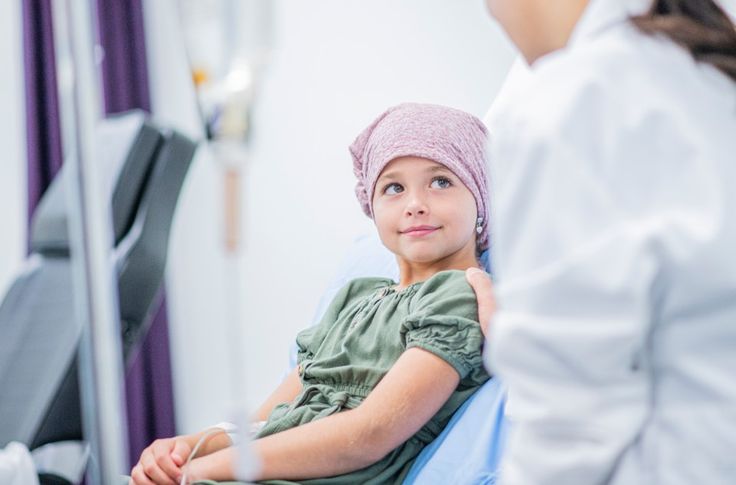
Body Image and Quality of Life: Women’s cancers often affect areas of the body closely associated with femininity, sexuality, and body image, including breasts, reproductive organs, and hair. Treatment-related changes can profoundly impact self-esteem, intimate relationships, and quality of life, requiring specialized support and reconstructive options.

Psychosocial and Family Considerations: Women often serve as primary caregivers for family members while managing their own cancer treatment, creating unique challenges in balancing personal health needs with family responsibilities. The impact of hereditary cancer syndromes on family members, particularly daughters, requires specialized genetic counseling and family support services.

How Neovita Triumphs in Women’s Cancer Care Neovita Oncology has established itself as a leader in women’s cancer care through our comprehensive approach that combines subspecialized medical expertise, advanced treatment technologies, and deep understanding of the unique challenges that women face throughout their cancer journeys.


Subspecialized Medical Expertise: Our Cancer Center for Women includes subspecialists with advanced fellowship training in women’s cancers, including breast medical oncologists, gynecologic oncologists, breast surgeons, and specialized radiation oncologists. This subspecialization ensures that every patient receives care from physicians who understand the nuances of women’s cancer biology, treatment responses, and long-term care needs.

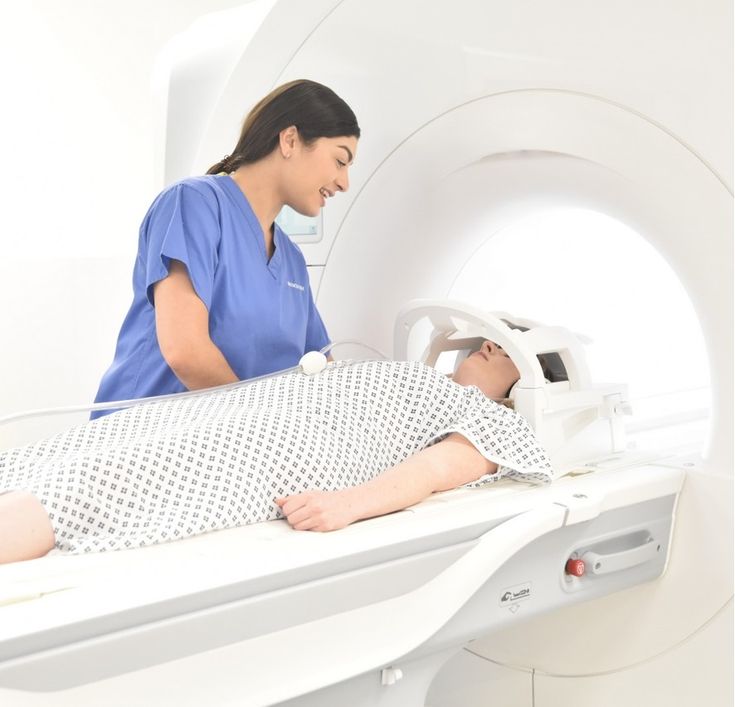
Advanced Diagnostic and Genetic Services: Our comprehensive diagnostic capabilities include advanced breast imaging with digital mammography, breast MRI, and molecular breast imaging, complemented by sophisticated genetic counseling and testing programs. Integration with our AI-Assisted Oncology platform enhances diagnostic accuracy and enables predictive modeling for treatment response and hereditary cancer risk assessment.

Personalized Treatment Approaches: Our women’s cancer program utilizes comprehensive genomic profiling, biomarker analysis, and molecular testing to develop personalized treatment strategies. Integration with our Personalised Vaccines program enables custom immunotherapy approaches, while our Quantum/Computational Oncology capabilities optimize treatment planning and drug selection.

Comprehensive Surgical Excellence: Our surgical programs include breast-conserving surgery with oncoplastic techniques, advanced mastectomy procedures, immediate and delayed reconstruction options, and minimally invasive gynecologic surgery. We coordinate closely with plastic and reconstructive surgeons to optimize both oncologic and cosmetic outcomes.

Fertility Preservation and Reproductive Health: Our comprehensive fertility preservation program includes oocyte cryopreservation, embryo freezing, ovarian tissue preservation, and fertility-sparing surgical techniques. We coordinate closely with reproductive endocrinologists and provide comprehensive counseling about reproductive options before, during, and after cancer treatment.

Integration with Advanced Therapies: Women with appropriate cancers have access to our CAR-T & Cellular Therapies program, Clinical Trials Access for investigational treatments, and Nanotech Technologies for enhanced drug delivery and targeted therapy approaches.


Special Measures and Distinguishing Features Neovita Oncology has implemented numerous innovative measures and specialized features that distinguish our Cancer Center for Women as the most comprehensive and supportive women’s cancer program available.

Women-Centered Environment and Design: Our Cancer Center for Women features specialized facilities designed specifically for women’s comfort and privacy, including private consultation rooms, comfortable infusion areas, and supportive environments for family discussions. The design incorporates elements that promote healing, reduce anxiety, and provide dignity throughout the treatment experience.

Comprehensive Genetic Counseling and Risk Assessment: Our genetic counseling program includes specialized counselors with expertise in hereditary cancer syndromes affecting women. We provide comprehensive risk assessment, family history analysis, genetic testing coordination, and ongoing support for high-risk women and their families. Integration with our precision medicine platform enables personalized prevention and surveillance strategies.

Advanced Breast Cancer Program: Our breast cancer program includes specialized clinics for specific subtypes including triple-negative breast cancer, HER2-positive disease, and hormone receptor-positive cancers. We offer advanced treatment options including CDK4/6 inhibitors, antibody-drug conjugates, and novel targeted therapies, with clinical trial access through our Clinical Trials Access program.

Comprehensive Gynecologic Oncology Services: Our gynecologic oncology program addresses ovarian, endometrial, cervical, vulvar, and vaginal cancers with specialized expertise in complex surgical procedures, hyperthermic intraperitoneal chemotherapy (HIPEC), and advanced systemic therapies including PARP inhibitors and immunotherapy approaches.


Quality Improvement and Outcome Tracking

We maintain comprehensive quality improvement programs specific to women’s cancers, including outcome tracking, patient-reported outcome measures, and continuous improvement initiatives that ensure optimal care quality and patient satisfaction.
Through our unwavering commitment to women’s cancer care excellence and our dedication to addressing the complete spectrum of women’s cancer experiences, Neovita’s Cancer Center for Women represents the gold standard in specialized women’s cancer care. Our Leadership team’s commitment to women’s health aligns with our fundamental Mission of providing hope, healing, and the highest standard of cancer care, while our History of innovation continues to drive us toward new advances in women’s cancer care that honor both the medical complexity and the deeply personal nature of every woman’s cancer journey.

Research and Innovation

Our women’s cancer research program includes clinical trials specifically designed for women’s cancers, biomarker discovery research, and outcomes studies that advance understanding of women’s unique cancer experiences. We participate in national cooperative group studies and maintain collaborative relationships with leading women’s cancer research centers.